
WhatsApp Number
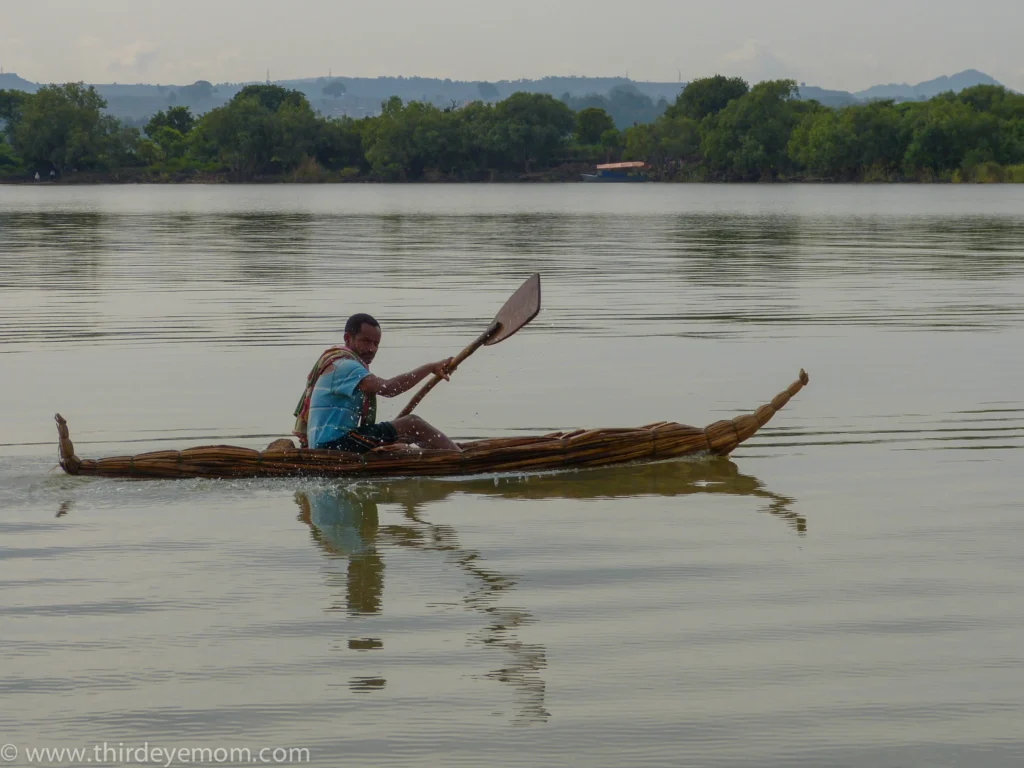
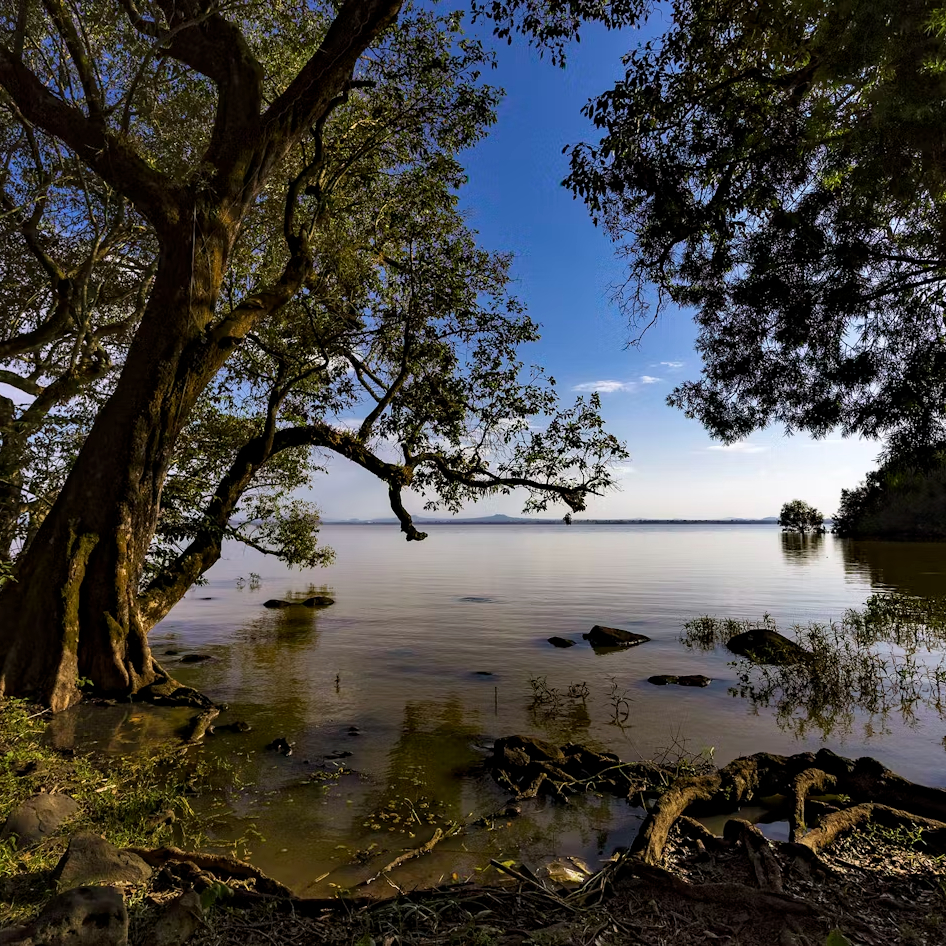
Bahir Dar is one of the leading tourist destinations in Ethiopia, with a variety of attractions in its close surroundings. The city is located approximately 578 km (360 miles) north-northwest of Addis Ababa, at an elevation of 1’840 meters (6’036 feet) above sea level. The town today, with its wide, palm-lined avenues and gardens overflowing with tropical vegetation, is a place of considerable economic and commercial importance. Surrounding the lake lies one of the largest networks of wetlands in Africa.
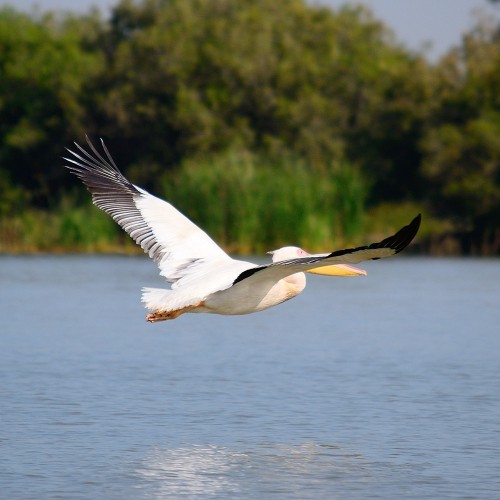
These wetlands see huge annual bird migrations, and the lake itself has large populations of Great White Pelicans.
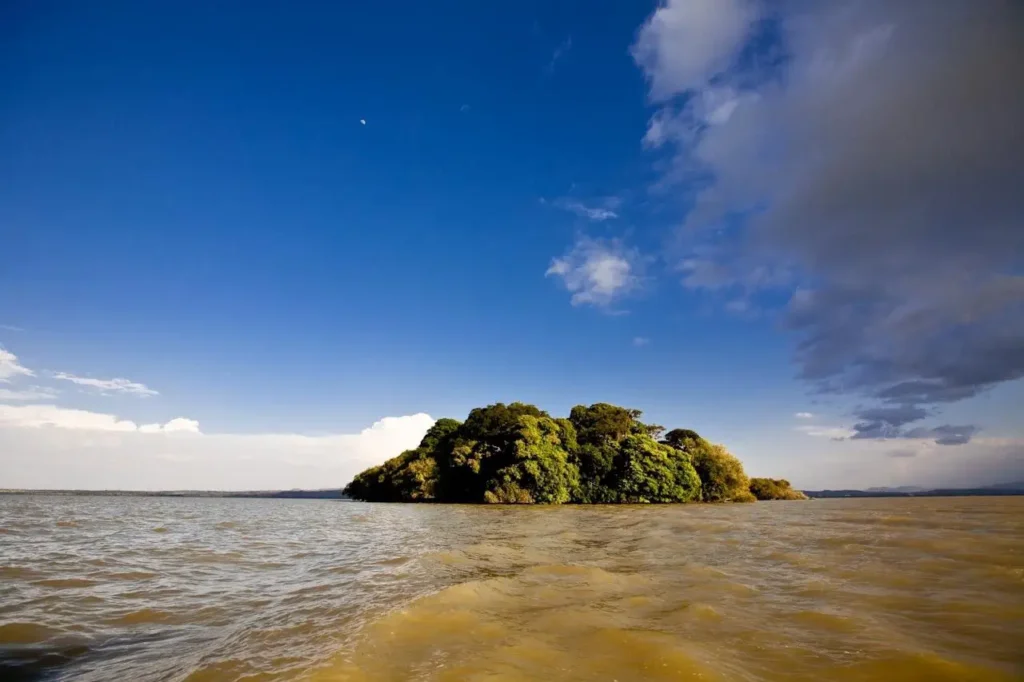
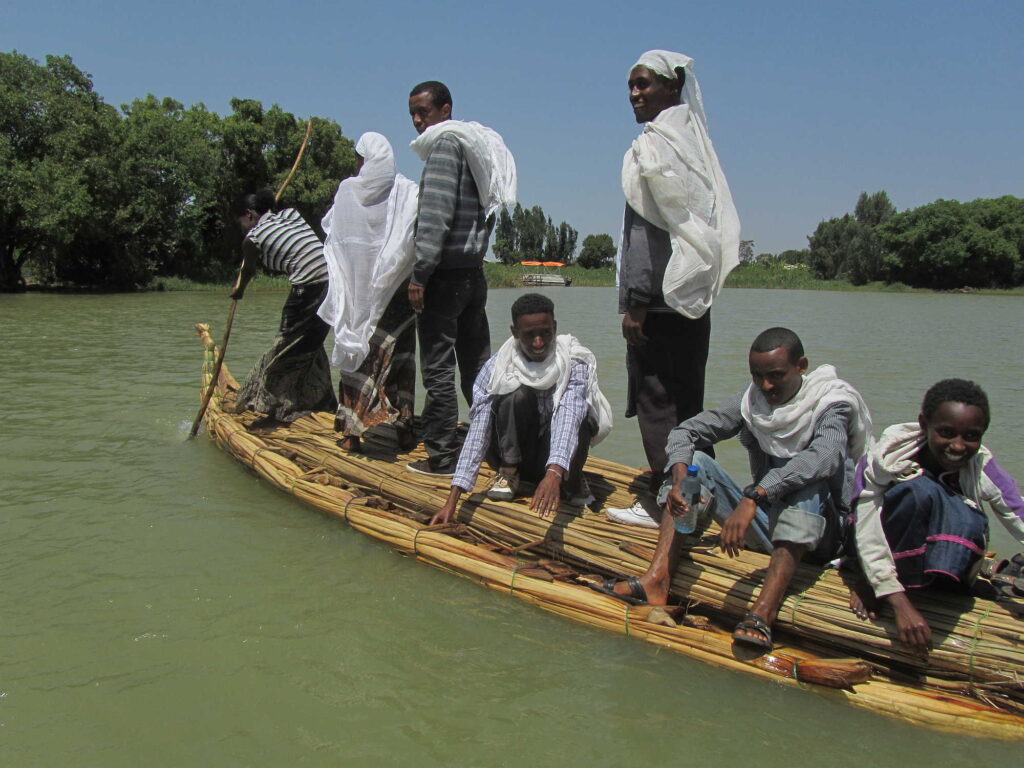
Bahir Dar’s two markets are both worth a visit: the general market, displaying colorful woven cloth and a wide range of supplies (including coffee); and the roadside market, specializing in baskets. There are also a variety of handicraft and weaving centers. Bahir Dar is considered one of the most beautiful, well planned, and safest cities in Etthiopia. Visits to Lake Tana’s island monasteries and to the nearby Blue Nile Falls form the main focus of activities.

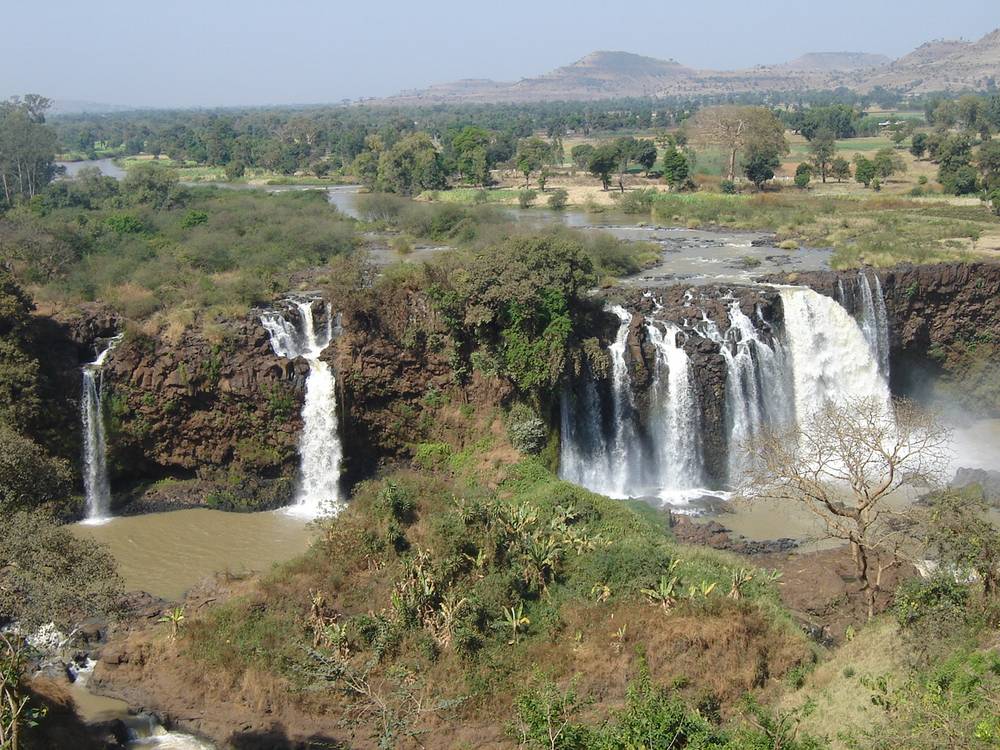
Around 200km from Addis Ababa, one of Ethiopia’s most dramatic stretches of road begins its serpentine descent to the bottom of the Blue Nile Gorge, 1km below. The gorge is traversed by a tortuous road with spectacular views in places, and a pair of bridges cross the river – the new Japanese suspension bridge handles traffic while the Italian original is now used by shepherds. Unfortunately the beauty on the southern side is frequently marred by cement-company quarries.
The river loops across northwest Ethiopia before being fed by numerous tributaries between Lake Tana and the Ethiopia–Sudan border. Those on its left bank, in downstream order, include the Wanqa River, the Bashilo River, the Walaqa River, the Wanchet River, the Jamma River, the Muger River, the Guder River, the Agwel River, the Nedi River, the Didessa River and the Dabus River. Those on the right side, also in downstream order, include the Handassa, Tul, Abaya, Sade, Tammi, Cha, Shita, Suha, Muga, Gulla, Temcha, Bachat, Katlan, Jiba, Chamoga, Weter and the Beles.[3]



TAXES INCL/PERS

TAXES INCL/PERS
TAXES INCL/PERS